The Herbal Library
An A–Z of the herbs I grow, forage and use: what they are, how to use them, and what to watch out for.
Each profile covers how to identify the herb, which parts are used, traditional uses, simple ways to prepare it, and safety notes. Looking for recipes? Head to Herbal Remedies.
A–Z of Herbs
Over 100 medicinal and culinary herbs from around the world, each with its botanical name, what it has traditionally been used for and any important cautions. Click a letter to jump straight to it. Where I have written a full guide, you will find a link to read more.
A · B · C · D · E · F · G · H · I · J · K · L · M · N · O · P · R · S · T · U · V · W · Y · Z
A
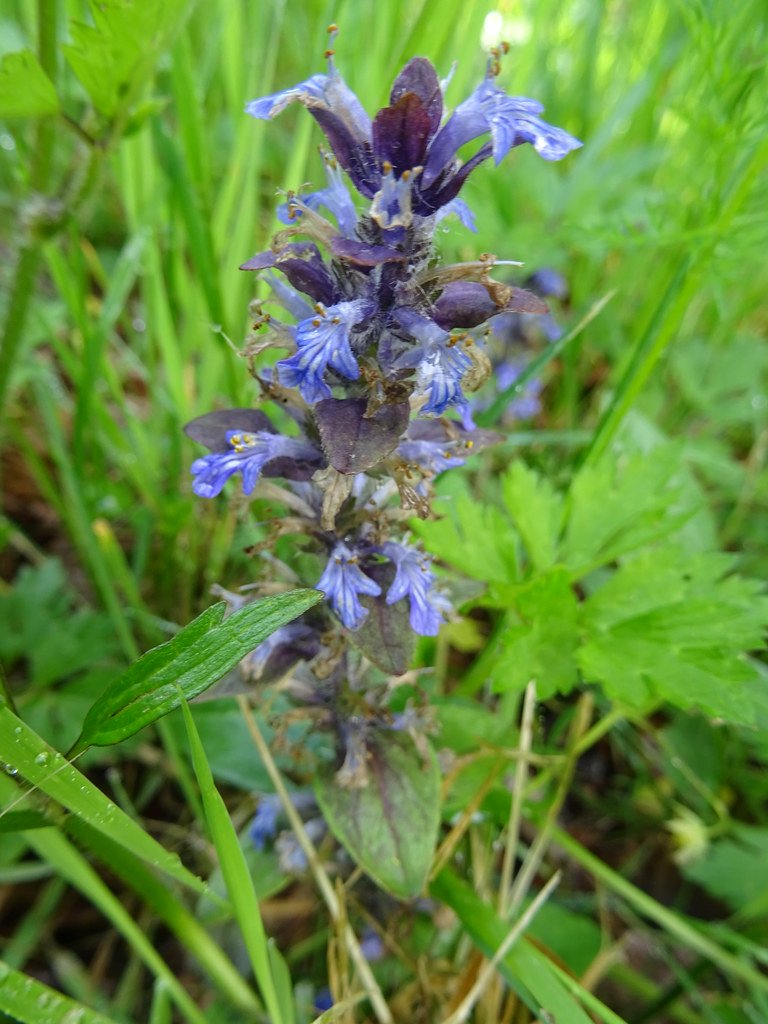
- Ajuga (Ajuga reptans): A low, creeping ground-cover plant (bugle) with blue flower spikes; the burgundy-leaved kind is a popular garden plant once used as a wound herb. Caution: Little safety research; best enjoyed as a garden plant. Read more
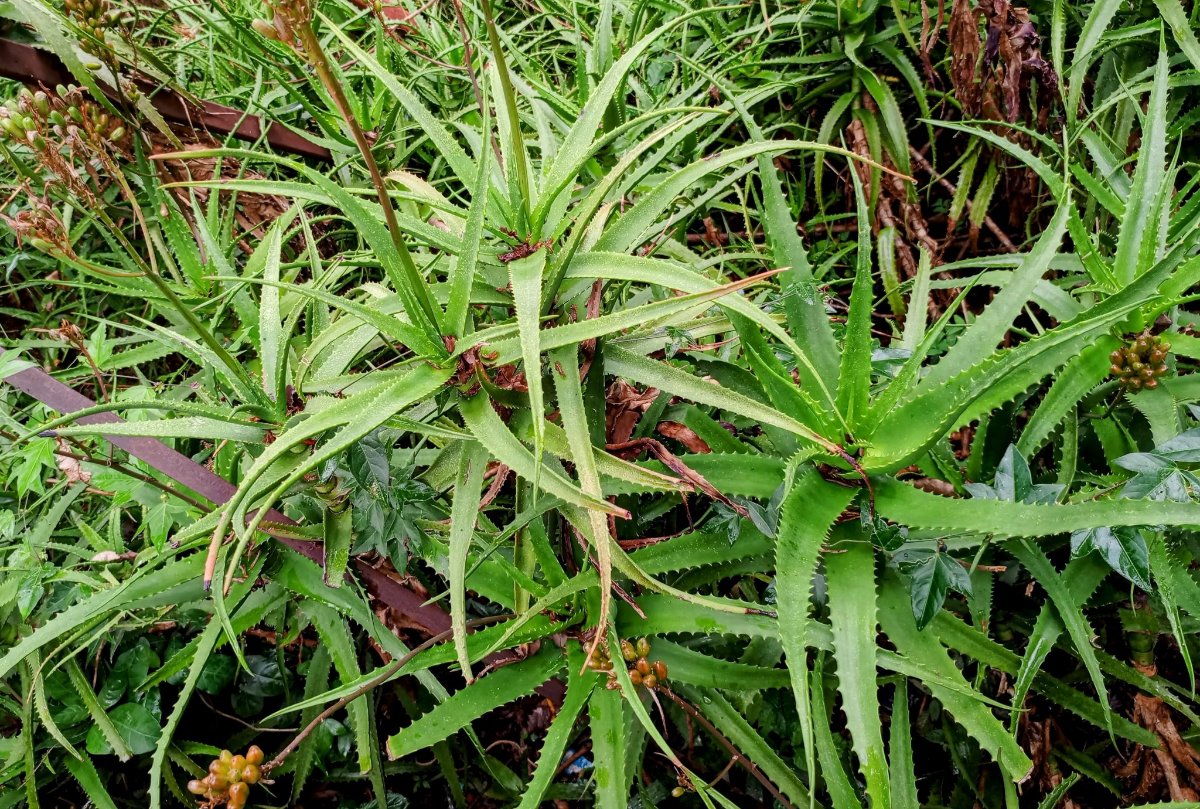
- Aloe vera (Aloe vera): A succulent whose clear leaf gel has long been used to cool minor burns, sunburn and dry skin. Caution: Use the inner gel on skin only; the yellow latex under the leaf skin is a strong laxative. Read more
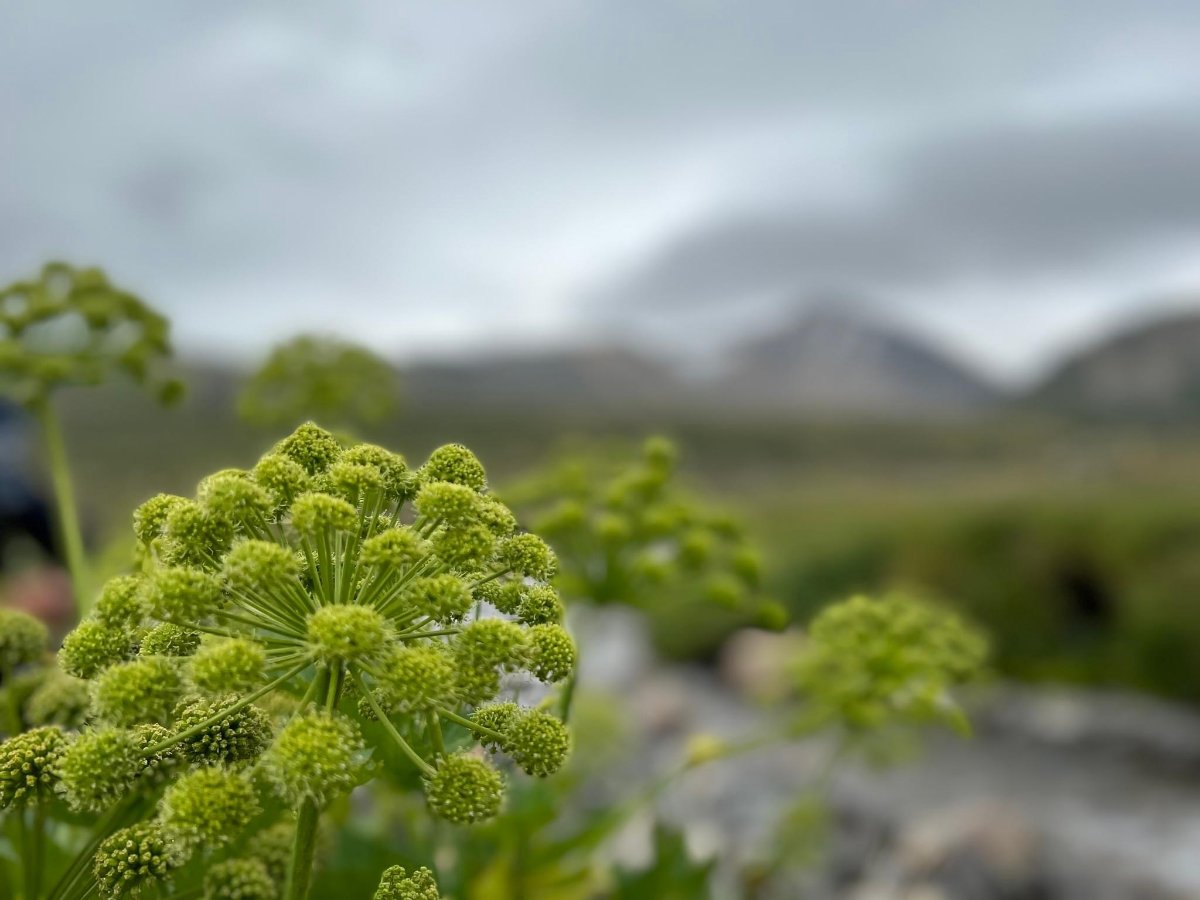
- Angelica (Angelica archangelica): A tall, aromatic plant whose root and seeds were traditionally used as a warming digestive bitter. Caution: Avoid in pregnancy; can make skin more sensitive to sunlight. Read more
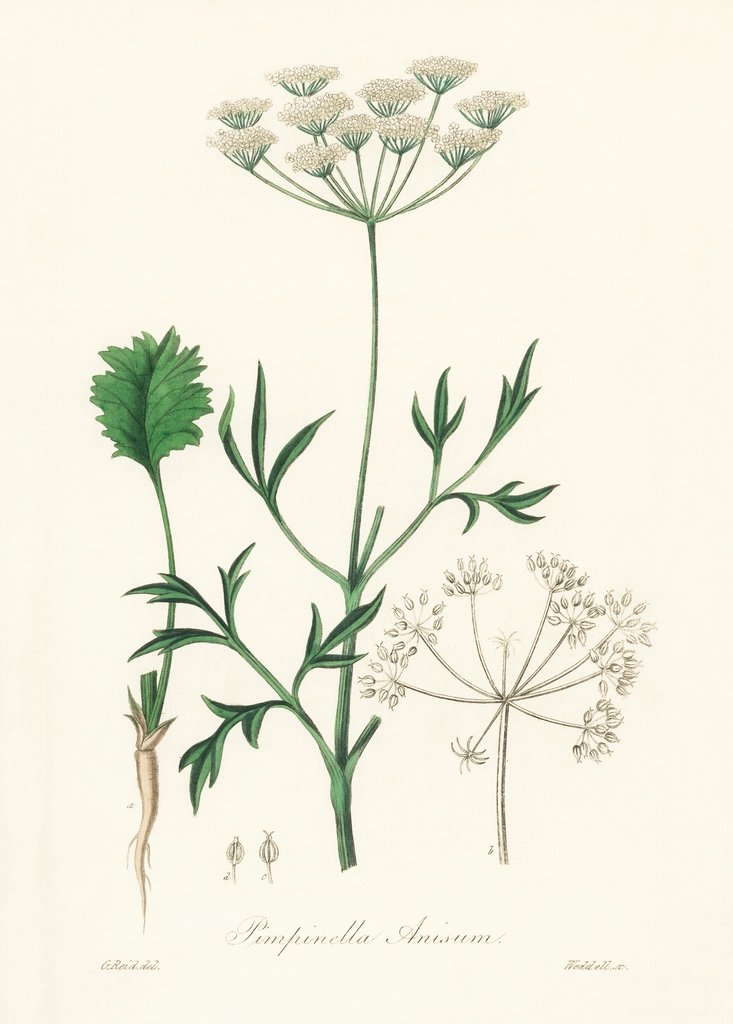
- Anise (Pimpinella anisum): Sweet, liquorice-flavoured seeds used for centuries to ease wind, bloating and tickly coughs. Read more
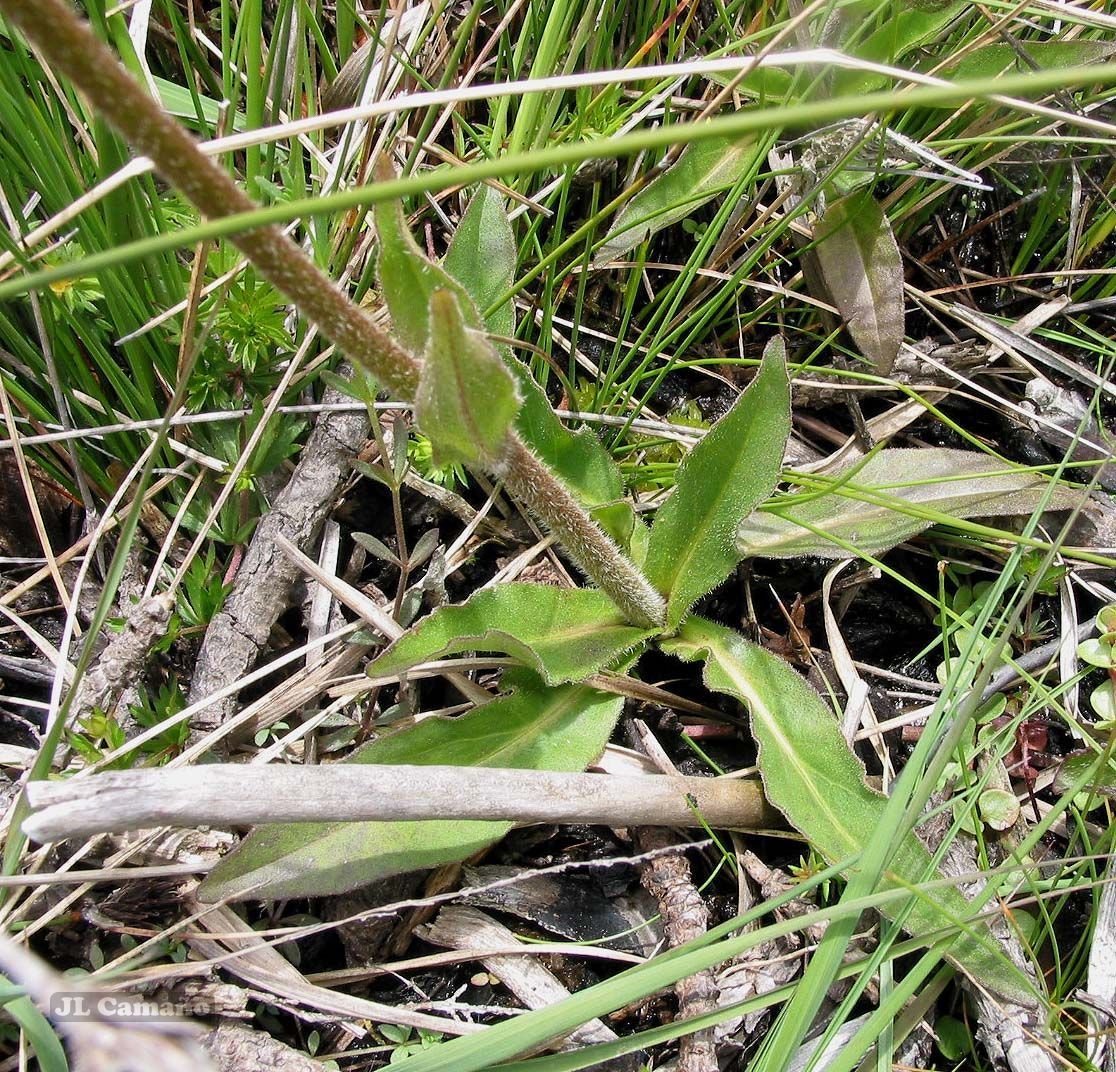
- Arnica (Arnica montana): A mountain daisy made into creams and gels for bruises, sprains and aching muscles. Caution: External use only, never on broken skin. It is poisonous if swallowed. Read more
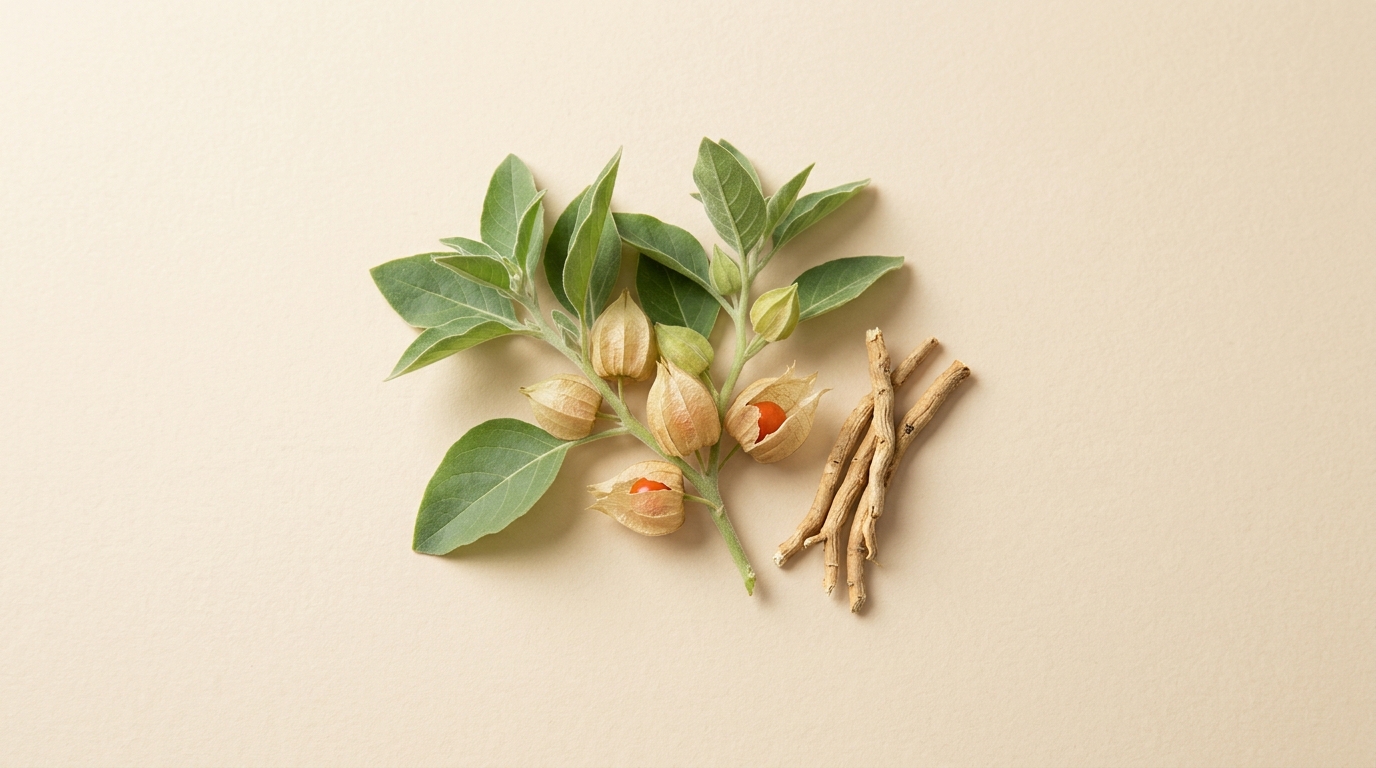
- Ashwagandha (Withania somnifera): An Ayurvedic root valued as an adaptogen to help the body cope with stress and support sleep. Caution: Avoid in pregnancy; speak to your doctor if you have a thyroid or liver condition. Read more
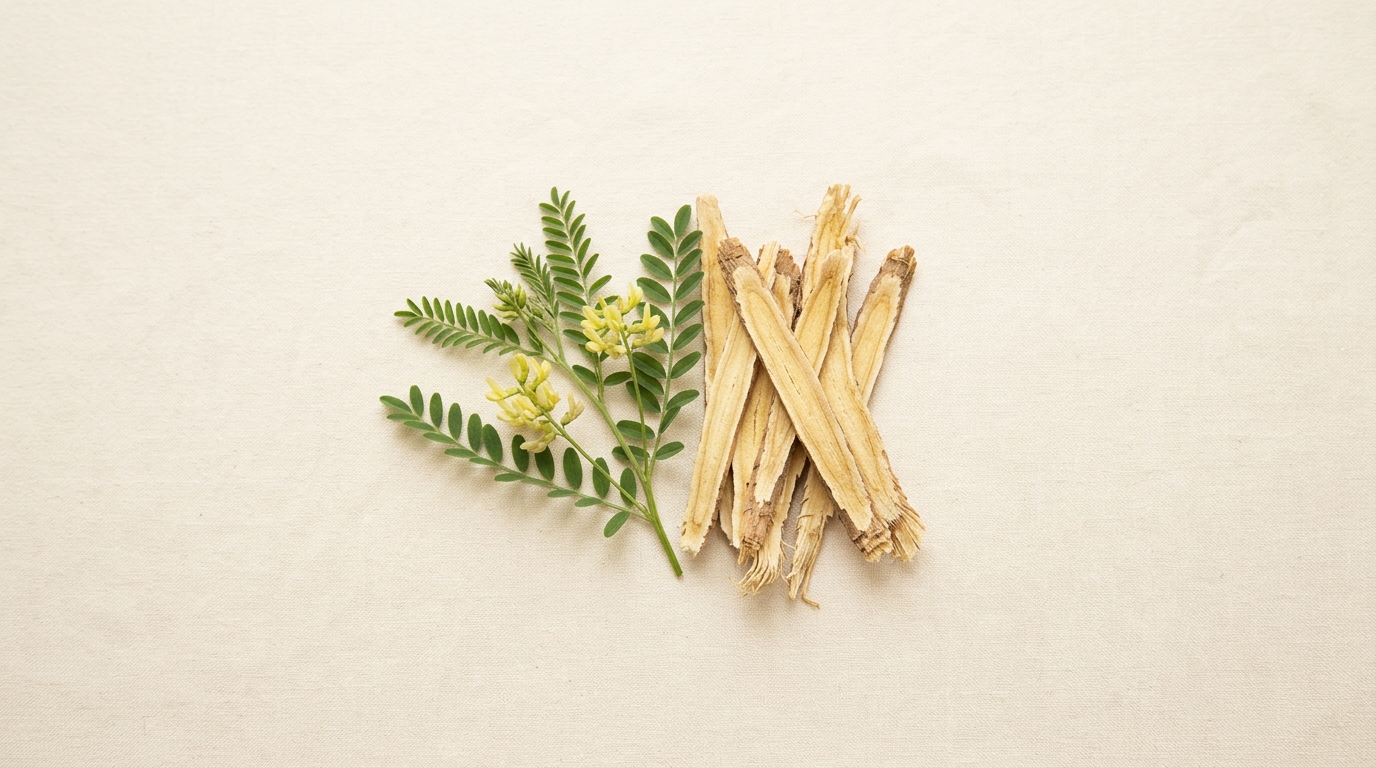
- Astragalus (Astragalus membranaceus): A root from traditional Chinese medicine used as a tonic to support the immune system and energy. Read more
B
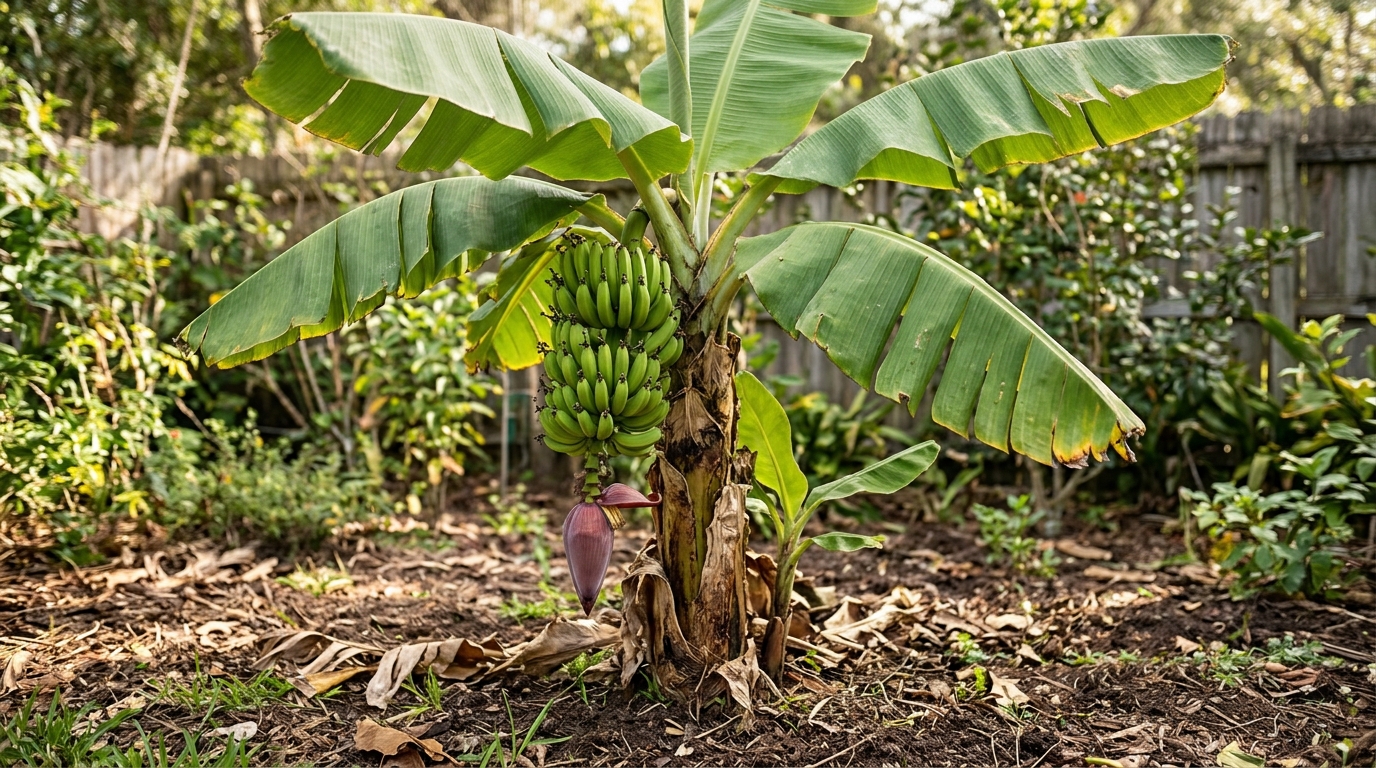
- Banana (Musa spp.): The banana plant gives far more than fruit: its leaves are used for wrapping food, and its flower, stem and peel have many traditional uses. Caution: Generally safe as food; take care with large amounts if you have kidney problems (high potassium). Read more
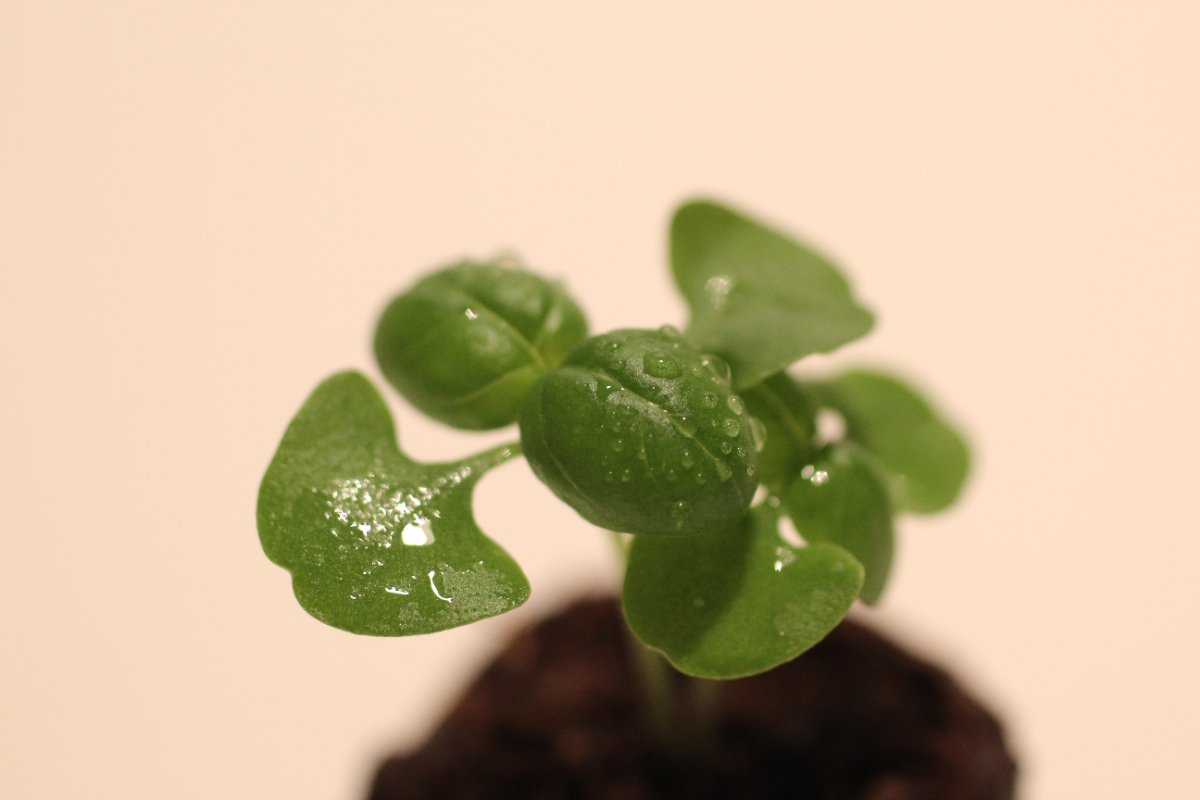
- Basil (Ocimum basilicum): A favourite kitchen herb, also used traditionally to settle the stomach and lift the mood. Read more
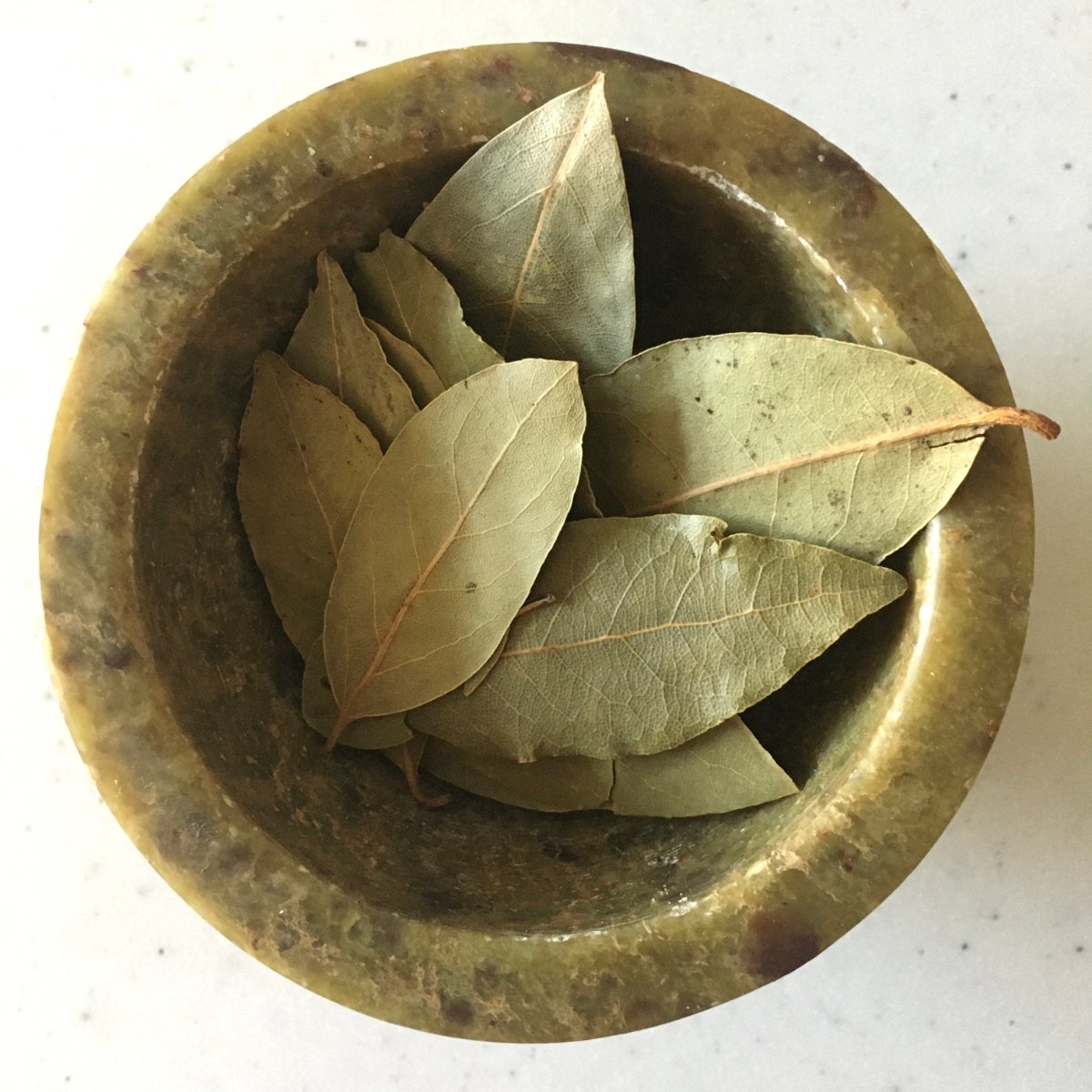
- Bay laurel (Laurus nobilis): Aromatic leaves used in soups and stews, and traditionally to aid digestion. Caution: Remove whole leaves before eating; they can be a choking hazard. Read more
- Bilberry (Vaccinium myrtillus): A small wild blueberry traditionally eaten to support eyesight and healthy circulation. Read more
- Black cohosh (Actaea racemosa): A North American root traditionally used for menopausal symptoms such as hot flushes. Caution: Rare liver problems have been reported; check with your doctor before use. Read more
- Borage (Borago officinalis): A bee-friendly plant with edible blue flowers; its seed oil is rich in GLA, a fatty acid used for skin. Caution: Do not use the leaves regularly; they contain compounds that can harm the liver. Read more
- Bulbine (Bulbine frutescens): A southern African succulent known as the burn jelly plant, used like aloe vera for burns and skin. Read more
- Burdock (Arctium lappa): A root traditionally used for skin complaints and eaten as a vegetable in Japan, where it is called gobo. Read more
- Bush basil (Ocimum basilicum var. minimum): A compact, small-leaved basil (Greek bush basil) that forms a neat little dome, perfect for pots and windowsills. Caution: Safe in food amounts; avoid the essential oil and large medicinal amounts in pregnancy. Read more
C
- Calendula (Calendula officinalis): Pot marigold. Its golden petals are a classic ingredient in soothing skin salves and oils. Caution: Avoid if allergic to the daisy family. Read more
- Cardamom (Elettaria cardamomum): A fragrant spice used in Indian and Middle Eastern cooking, and traditionally to ease indigestion. Read more
- Catnip (Nepeta cataria): A gentle mint-family herb traditionally taken as a calming tea for restlessness and colds. Read more
- Cayenne (Capsicum annuum): A hot chilli used in warming rubs for aching muscles and traditionally to boost circulation. Caution: Irritating to eyes and broken skin; wash hands after handling. Read more
- Chamomile (Matricaria chamomilla): A daisy-like flower famous as a calming bedtime tea and for settling the stomach. Caution: Avoid if allergic to ragweed or the daisy family. Read more
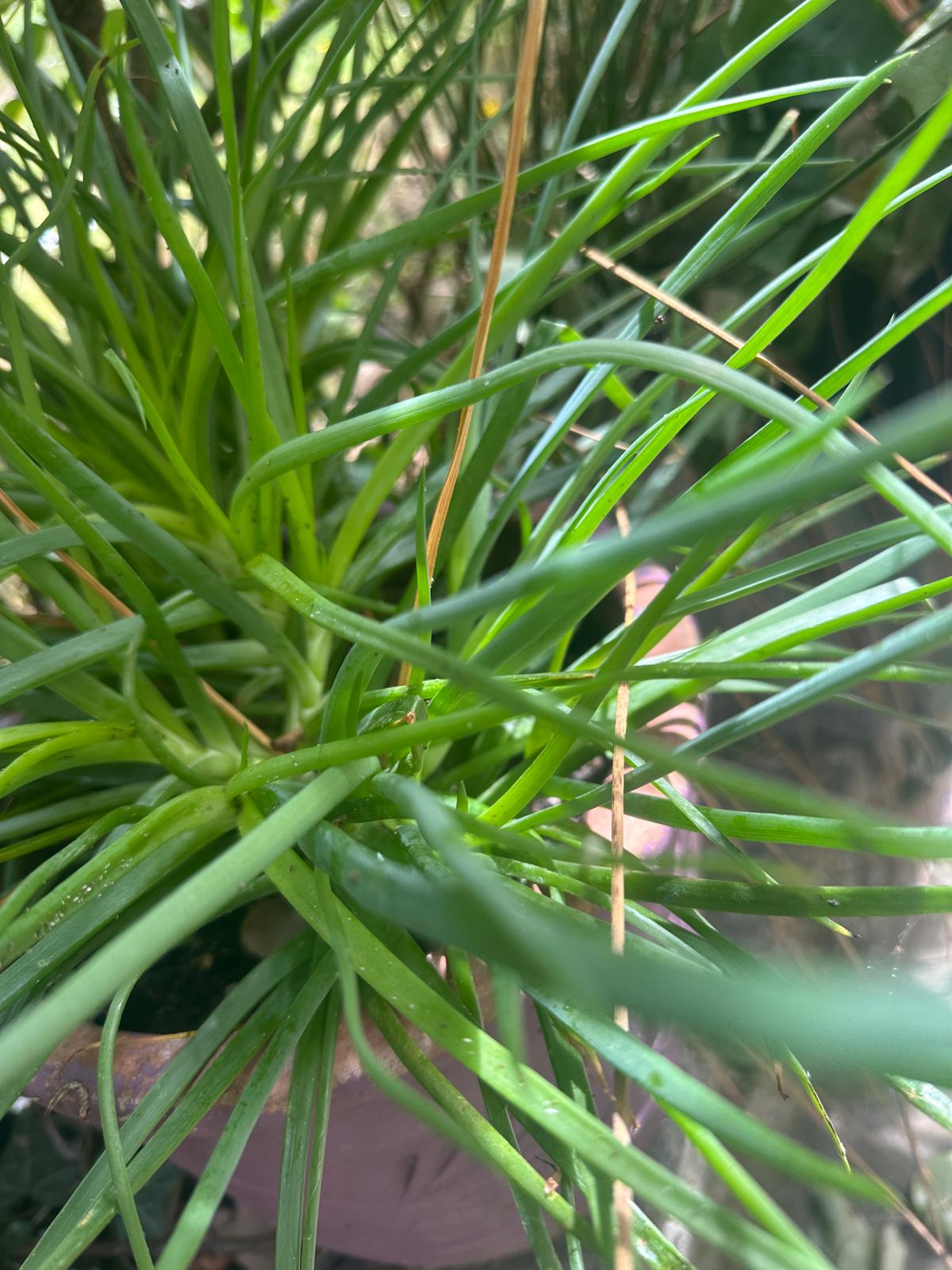
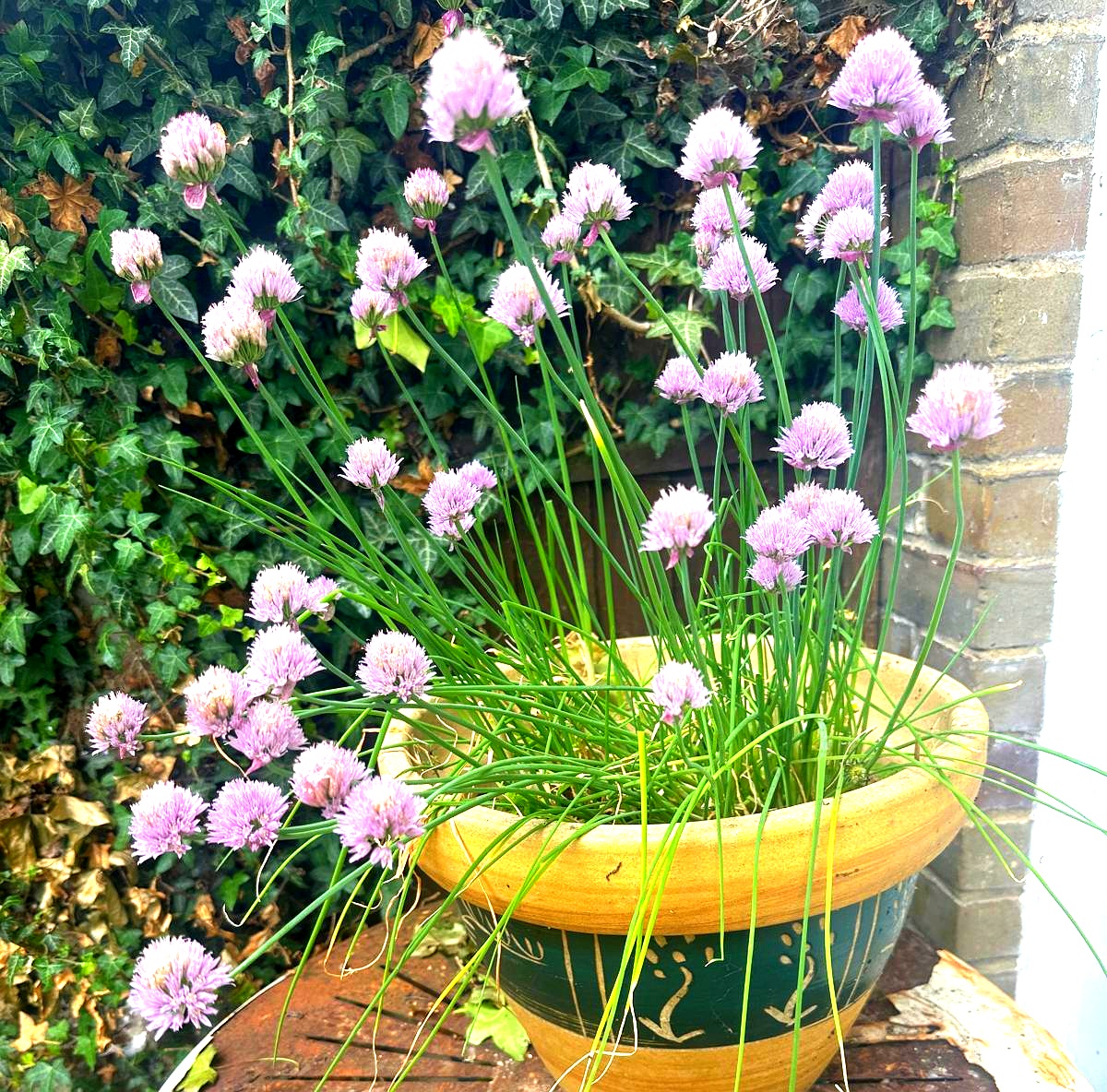
- Chives (Allium schoenoprasum): A mild onion herb whose pretty edible flowers are often thrown away by gardeners. Read more
- Cinnamon (Cinnamomum verum): A warming bark spice traditionally used for digestion and to keep winter chills at bay. Caution: Cassia cinnamon contains coumarin, so avoid large daily amounts. Read more
- Cleavers (Galium aparine): The sticky hedgerow plant, traditionally used as a gentle spring tonic. Read more
- Clove (Syzygium aromaticum): Dried flower buds with a long history as a numbing remedy for toothache. Caution: Clove oil is very strong; always dilute and keep away from children. Read more
- Comfrey (Symphytum officinale): Known as knitbone, used externally in creams for bruises, sprains and aching joints. Caution: External use only, on unbroken skin. Never take it by mouth; it can damage the liver. Read more
- Coriander (Coriandrum sativum): Leaves (cilantro) and seeds used in cooking worldwide, and traditionally to aid digestion. Read more
D
- Dandelion (Taraxacum officinale): The leaves are traditionally used as a gentle diuretic and the root as a bitter digestive tonic. Caution: Check with your doctor if you take water tablets or other regular medicines. Read more
- Dill (Anethum graveolens): A feathery herb whose seeds are the traditional basis of gripe water for wind and colic. Read more
- Dong quai (Angelica sinensis): A root from traditional Chinese medicine used as a tonic for women’s health. Caution: Avoid in pregnancy and if you take blood-thinning medicines. Read more
E
- Echinacea (Echinacea purpurea): A purple coneflower widely taken at the first sign of a cold. Caution: Short-term use only; avoid if allergic to the daisy family. Read more
- Elder (Sambucus nigra): Elderflowers make cordials and teas, and cooked elderberries make a traditional winter syrup. Caution: Raw berries, leaves and stems are toxic; always cook the berries. Read more
- Eriocephalus (Eriocephalus africanus): A silvery, aromatic South African shrub (wild rosemary or kapokbos) traditionally used for colds, coughs, wind and as a hair rinse. Caution: Avoid in pregnancy; do not take the essential oil by mouth. Read more
- Eucalyptus (Eucalyptus globulus): Aromatic leaves used in steam inhalations to clear a stuffy nose. Caution: The oil is poisonous if swallowed; never use it on or near babies’ faces. Read more
- Evening primrose (Oenothera biennis): A night-flowering plant whose seed oil is used for skin and hormonal comfort. Read more
F
- Fennel (Foeniculum vulgare): Sweet aniseed-flavoured seeds traditionally chewed after meals to ease bloating. Read more
- Fenugreek (Trigonella foenum-graecum): Maple-scented seeds used in curries and traditionally to support breastfeeding. Caution: Avoid in pregnancy; may lower blood sugar. Read more
- Feverfew (Tanacetum parthenium): A small daisy traditionally taken to help prevent migraines. Caution: Avoid in pregnancy; chewing fresh leaves can cause mouth ulcers. Read more
G
- Garlic (Allium sativum): A kitchen staple traditionally used to support the heart, circulation and immune system. Caution: High doses may increase bleeding if you take blood thinners. Read more
- Ginger (Zingiber officinale): A warming root well known for easing nausea, travel sickness and winter chills. Read more
- Ginkgo (Ginkgo biloba): Leaves from one of the oldest trees on earth, taken traditionally for memory and circulation. Caution: Avoid with blood-thinning medicines. Read more
- Ginseng (Panax ginseng): A prized root from Asia used as a tonic for energy, stamina and resilience. Caution: Can interact with several medicines; seek advice first. Read more
- Goldenseal (Hydrastis canadensis): A North American woodland root traditionally used for infections and digestion. Caution: Interacts with many medicines and is over-harvested in the wild. Read more
- Gotu kola (Centella asiatica): A creeping plant used in Ayurveda and Asian medicine for skin healing and a calm, clear mind. Read more
- Guava (Psidium guajava): A tropical fruit tree whose leaves are a well-known folk tea for diarrhoea, toothache and blood sugar. Caution: Check with your doctor if you take diabetes medicines; avoid medicinal amounts in pregnancy. Read more
H
- Hawthorn (Crataegus monogyna): Berries, leaves and flowers traditionally used as a tonic for the heart. Caution: If you have a heart condition or take heart medication, speak to your doctor first. Read more
- Hibiscus (Hibiscus sabdariffa): Deep red calyces that make a tart, refreshing tea, enjoyed hot or iced around the world. Caution: May lower blood pressure. Read more
- Holy basil (Ocimum tenuiflorum): Tulsi, a sacred plant in India, valued in Ayurveda as a calming adaptogen. Read more
- Hops (Humulus lupulus): The flowers that flavour beer, traditionally used in sleep pillows and calming teas. Caution: Can cause drowsiness. Read more
- Horsetail (Equisetum arvense): An ancient plant rich in silica, traditionally used for hair, skin and nails. Caution: Short-term use only; easily confused with toxic relatives. Read more
- Hyssop (Hyssopus officinalis): A bushy, bee-friendly herb traditionally used in teas for coughs and colds. Caution: Avoid in pregnancy and epilepsy; never use the essential oil internally. Read more
I
- Irish moss (Chondrus crispus): A seaweed used as a natural thickener and traditionally for coughs and sore throats. Read more
J
- Jasmine (Jasminum sambac): Fragrant white flowers used to scent green tea and in aromatherapy for relaxation. Read more
- Juniper (Juniperus communis): Aromatic berries that flavour gin and game dishes, and traditionally aid digestion. Caution: Avoid in pregnancy and kidney disease. Read more
K
- Kava (Piper methysticum): A Pacific Island root made into a calming ceremonial drink. Caution: Linked to liver damage; restricted or banned in some countries, including the UK. Read more
- Kelp (Fucus vesiculosus): Seaweeds such as bladderwrack, rich in iodine and minerals. Caution: High in iodine; avoid if you have a thyroid condition unless advised. Read more
L
- Lavender (Lavandula angustifolia): A beloved fragrant herb used for relaxation, sleep and soothing skin preparations. Read more
- Lemon balm (Melissa officinalis): A lemon-scented mint-family herb traditionally used to calm nerves and settle the stomach. Read more
- Lemon verbena (Aloysia citrodora): A shrub with intensely lemony leaves that make a delicious after-dinner tea. Read more
- Lemongrass (Cymbopogon citratus): A citrus-scented grass used in Asian cooking and in refreshing teas. Read more
- Linden (Tilia cordata): Lime tree flowers that make a gentle, honey-scented calming tea. Read more
- Liquorice (Glycyrrhiza glabra): A sweet root traditionally used for coughs, sore throats and an upset stomach. Caution: Can raise blood pressure; avoid regular use if you have high blood pressure. Read more
M
- Marshmallow (Althaea officinalis): A soothing root and leaf traditionally used for dry coughs and irritated digestion. Caution: Take a few hours apart from medicines, as it can slow their absorption. Read more
- Meadowsweet (Filipendula ulmaria): A creamy-flowered meadow plant traditionally used for acid indigestion and aches. Caution: Contains salicylates; avoid if allergic to aspirin. Read more
- Milk thistle (Silybum marianum): A spiny plant whose seeds are traditionally taken to support the liver. Read more
- Moringa (Moringa oleifera): The drumstick tree, whose nutritious leaves are eaten across Africa and Asia. Read more
- Motherwort (Leonurus cardiaca): A mint-family herb traditionally used for anxiety and palpitations. Caution: Avoid in pregnancy. Read more
- Mugwort (Artemisia vulgaris): A silver-leaved wayside plant used traditionally as a digestive bitter and in folklore for dreams. Caution: Avoid in pregnancy. Read more
- Mulberry (Morus spp.): A group of fruit trees (white, black and red mulberry) whose sweet berries are eaten and whose leaves are brewed as a tea, traditionally for blood sugar. Caution: Check with your doctor if you take diabetes medicines; unripe berries and sap can upset the stomach. Read more
- Mullein (Verbascum thapsus): Soft, woolly leaves and flowers traditionally used for coughs and chest complaints. Caution: Strain teas well through fine cloth to remove the tiny irritating hairs. Read more
N
- Neem (Azadirachta indica): A tree from India whose leaves and oil are used for skin and as a natural insect repellent. Caution: Do not take internally, especially children and in pregnancy. Read more
- Nettle (Urtica dioica): A nutritious wild green, rich in minerals, used in soups, teas and spring tonics. Caution: Wear gloves to pick; cooking or drying removes the sting. Read more
- Nutmeg (Myristica fragrans): A warming spice traditionally used for digestion and sleep. Caution: Toxic in large amounts; use only as a culinary spice. Read more
O
- Oat (Avena sativa): Milky oat tops are a traditional nerve tonic, and oatmeal soothes dry, itchy skin in the bath. Read more
- Olive leaf (Olea europaea): Leaves of the olive tree, traditionally used to support the heart and immune system. Read more
- Oregano (Origanum vulgare): A Mediterranean kitchen herb traditionally used for coughs and digestion. Read more
P
- Parsley (Petroselinum crispum): Much more than a garnish: a vitamin-rich herb traditionally used as a gentle diuretic. Caution: Avoid medicinal amounts in pregnancy. Read more
- Passionflower (Passiflora incarnata): A climbing plant with striking flowers, traditionally used for anxiety and sleep. Caution: Can cause drowsiness. Read more
- Peppermint (Mentha × piperita): A cooling herb widely used for indigestion, bloating and headaches. Caution: May worsen acid reflux; keep the oil away from babies and young children. Read more
- Plantain (Plantago major): A common garden weed known as nature’s plaster, used for stings, bites and minor wounds. Read more
- Prickly pear (Opuntia spp.): A flat-padded cactus whose young pads (nopales) and sweet fruit are eaten; it has folk uses for blood sugar, hangovers and soothing skin. Caution: Remove all spines and tiny hairs (glochids) with care; check with your doctor if you take diabetes medicines. Read more
- Purslane (Portulaca oleracea): A succulent leafy green eaten worldwide, rich in omega-3 fatty acids. Read more
R
- Red clover (Trifolium pratense): A meadow flower traditionally used for skin and menopausal support. Caution: Avoid with blood thinners or hormone-sensitive conditions. Read more
- Rhodiola (Rhodiola rosea): Golden root, an Arctic adaptogen traditionally used against fatigue and stress. Read more
- Rooibos (Aspalathus linearis): A South African red bush tea, naturally caffeine-free and rich in antioxidants. Read more
- Rose (Rosa spp.): Petals for teas and skin care, and rosehips that are one of nature’s richest sources of vitamin C. Read more
- Rosemary (Salvia rosmarinus): A fragrant evergreen herb traditionally used for memory, circulation and aching muscles. Read more
S
- Sage (Salvia officinalis): A grey-leaved herb used as a gargle for sore throats and traditionally for hot flushes. Caution: Avoid large amounts in pregnancy and epilepsy. Read more
- Saw palmetto (Serenoa repens): Berries from a small palm, traditionally used to support men’s prostate health. Read more
- Schisandra (Schisandra chinensis): The five-flavour berry of Chinese medicine, used as a tonic for energy and focus. Read more
- Skullcap (Scutellaria lateriflora): A North American herb traditionally used to calm the nervous system. Read more
- Slippery elm (Ulmus rubra): Inner bark that forms a soothing gel, traditionally used for sore throats and digestion. Caution: Take apart from medicines; buy only from sustainable sources. Read more
- Soap aloe (Aloe maculata): A spotted African aloe whose leaf sap lathers in water and is traditionally used as a natural soap and hair wash. Caution: For skin and hair only; do not take by mouth; patch test first. Read more
- Sour fig (Carpobrotus edulis): A southern African coastal succulent with edible fruit and a soothing leaf gel. Read more
- Spearmint (Mentha spicata): A sweeter, gentler mint than peppermint, lovely in teas and for digestion. Read more
- Spekboom (Portulacaria afra): A juicy, lemony South African succulent shrub (elephant bush) whose small leaves are eaten in salads and chewed for thirst and sore throats. Caution: Generally safe as food; it contains oxalates, so eat in moderation if you have kidney stones. Read more
- St John’s wort (Hypericum perforatum): A yellow-flowered herb traditionally used for low mood. Caution: Interacts with many medicines, including the contraceptive pill and antidepressants. Always seek advice. Read more
T
- Tea tree (Melaleuca alternifolia): An Australian plant whose oil is used on the skin for spots and minor infections. Caution: External use only and always diluted; poisonous if swallowed. Read more
- Thyme (Thymus vulgaris): A hardy kitchen herb traditionally used for coughs, colds and sore throats. Read more
- Turmeric (Curcuma longa): A golden root used in curries and traditionally for joints and digestion. Caution: Avoid medicinal doses with gallstones or blood-thinning medicines. Read more
U
- Uva ursi (Arctostaphylos uva-ursi): Bearberry leaves traditionally used for urinary discomfort. Caution: Short-term use only; avoid in pregnancy and kidney disease. Read more
V
- Valerian (Valeriana officinalis): A root with a strong earthy smell, traditionally used for sleep and anxiety. Caution: Can cause drowsiness; do not drive after taking it. Read more
- Vervain (Verbena officinalis): A slender herb traditionally used to relax the nerves and ease tension. Caution: Avoid in pregnancy. Read more
- Violet (Viola odorata): Sweet violet flowers and leaves, traditionally used in syrups for coughs. Read more
W
- White willow (Salix alba): Willow bark contains salicin, a natural relative of aspirin used for aches and pains. Caution: Avoid if allergic to aspirin, and do not give to children. Read more
- Witch hazel (Hamamelis virginiana): An astringent extract used on the skin for bruises, spots and minor inflammation. Read more
- Wormwood (Artemisia absinthium): An intensely bitter herb traditionally used to stimulate digestion. Caution: Short-term use only; avoid in pregnancy. Read more
Y
- Yarrow (Achillea millefolium): A feathery wayside herb traditionally used for wounds, colds and fevers. Caution: Avoid in pregnancy and if allergic to the daisy family. Read more
- Yellow dock (Rumex crispus): A root traditionally used as a gentle digestive and skin tonic. Read more
Z
- Zedoary (Curcuma zedoaria): White turmeric, a fragrant root used in Asian cooking and traditionally for digestion. Read more
- Zumbani (Lippia javanica): A lemon-scented African bush tea (fever tea, umsuzwane, zumbani in Shona) drunk across southern Africa for colds, coughs and fevers. Caution: Avoid in pregnancy and while breastfeeding; little safety research for long-term use. Read more
In-Depth Herb Guides
-

5 Ways to Grow Bulbine frutescens in the UK and Make the Most of Every Leaf
-

5 Ways to Use Chive Flowers From the Garden
-

Ajuga (Ajuga reptans): Uses and Safety
-

Aloe vera (Aloe barbadensis miller): Uses and Safety
-

Angelica (Angelica archangelica): Uses and Safety
-

Anise (Pimpinella anisum): Uses and Safety
-

Arnica (Arnica montana): Uses and Safety
-

Ashwagandha (Withania somnifera): Uses and Safety
-
Astragalus (Astragalus membranaceus): Uses and Safety
-
Banana (Musa spp.): Uses and Safety
-

Basil (Ocimum basilicum): Uses and Safety
-

Bay laurel (Laurus nobilis): Uses and Safety
🌿 Before You Use Any Herb
This library is for education only. Always identify plants with certainty before foraging, and check with a qualified practitioner before using herbs if you’re pregnant, breastfeeding, taking medication or managing a health condition.